What to Shut Off, and Where, Before the Plumber Arrives
Knowing where your shutoff valves are, before you need them, is the single biggest thing a homeowner can do to limit damage from a plumbing problem.
August 31, 2026 · 3 min read
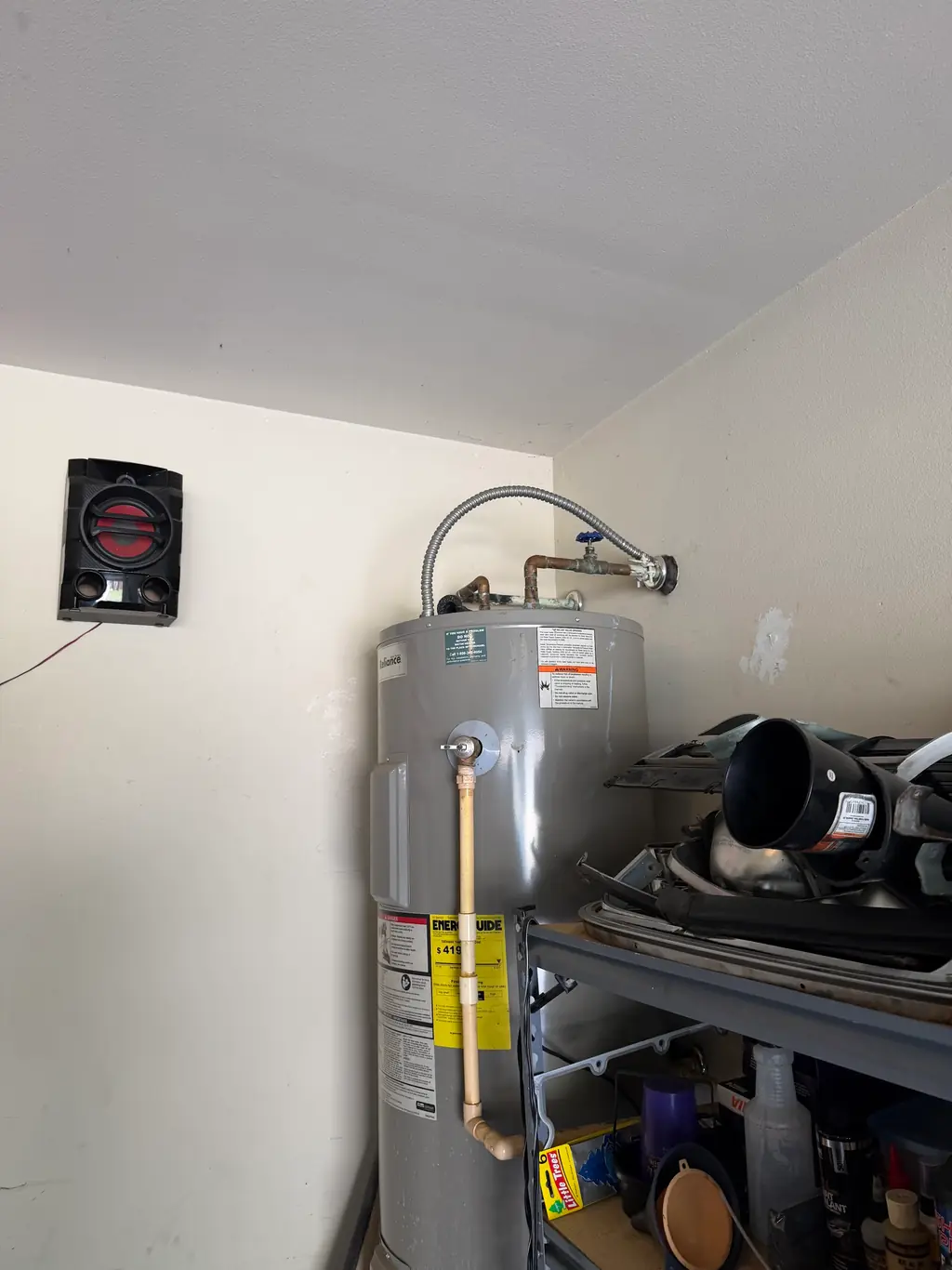
When something goes wrong with your plumbing, the minutes before a plumber arrives matter. A pipe that's actively spraying water does a lot more damage in fifteen minutes than it does in two, and the difference is usually whether you know where your shutoffs are. This is worth five minutes of your time now, not when you're standing in water deciding.
The main shutoff valve
Every house has one valve that controls all the water coming in. In a lot of Shreveport homes it's near where the water line enters the house, often in a utility area, a crawlspace access, or near an exterior hose bib on the side facing the street. Older homes vary more than newer ones, so if you don't already know where yours is, find it today rather than during an emergency. Turn it clockwise to close. If it hasn't been touched in years, it may be stiff. Don't force it hard enough to break the handle; if it won't budge, that's worth mentioning when you call us.
Fixture shutoffs, the ones that matter most day to day
Most fixtures have their own local shutoff, and using those first, before running for the main, solves most problems without cutting water to the whole house.
- Toilets: a small oval valve on the wall or floor behind the toilet, on the water line. Turn clockwise to close.
- Sinks (kitchen and bathroom): two valves under the sink, one for hot and one for cold, usually within reach without moving anything.
- Washing machine: two valves, usually behind the machine, one for hot and one for cold water supply hoses. These are the source of a lot of slow, hidden leaks because they're rarely checked.
- Ice maker or refrigerator water line: a small valve, often behind the fridge or in a nearby cabinet or basement, easy to forget exists.
If a specific fixture is the problem, shutting off just that fixture's valve is almost always better than shutting off the whole house. You keep water everywhere else while the one problem gets fixed.
The water heater
There are two separate things to know here: the cold water supply valve on top of the tank, and the power. For a gas water heater, turn the gas control knob to "off" or "pilot" and close the cold water inlet valve. For an electric water heater, shut off the water inlet valve and cut power at the breaker labeled for the water heater, not just at the unit. If you smell gas anywhere near the water heater, don't touch the gas valve yourself; get out and call your gas utility first.
Outdoor spigots and irrigation
If your problem is outside, an exterior hose bib usually has its own interior shutoff valve, often in a basement, crawlspace, or utility closet on the same wall the spigot is mounted to. If you've got an irrigation system, it typically has a dedicated shutoff valve near where the line branches off the main, separate from the house supply entirely, so a sprinkler line leak doesn't have to mean cutting water to the house. If you're not sure whether yours is separate, that's worth confirming now rather than guessing during a leak.
One thing that isn't a plumbing shutoff at all
If the smell of gas is what's worrying you, that's not solved by any valve in this list. Get everyone out of the house, don't operate light switches, and call your gas company's emergency line or 911 from outside. Call us afterward for any gas line or appliance work once the utility has confirmed it's safe.
The five minutes that make the biggest difference
Walk your house this week and physically locate your main shutoff, your water heater shutoff, and the fixture stops under every sink and behind the toilets. If it's been a while since any of them were turned, try each one now, gently, so you're not fighting a corroded valve for the first time during an actual leak. A valve that won't close at all is worth having replaced before you need it, not after.
Knowing exactly where they are, before you're standing over an active leak, is the one piece of prep that actually limits damage. When you call us at (318) 631-4533, tell us what you've already shut off; it helps us know what we're walking into before we get there.
Roach Plumbing & Heating — (318) 631-4533
Call (318) 631-4533More articles
How to Choose a Licensed Commercial Plumber in Shreveport
Louisiana licenses plumbers two different ways depending on the size of the job, and most property owners have never heard of the second one.
Is It a Real Plumbing Emergency? A Straight Checklist
Some plumbing problems need a truck tonight. Most don't. Here's how to tell the difference before you're standing in water at 2am deciding.